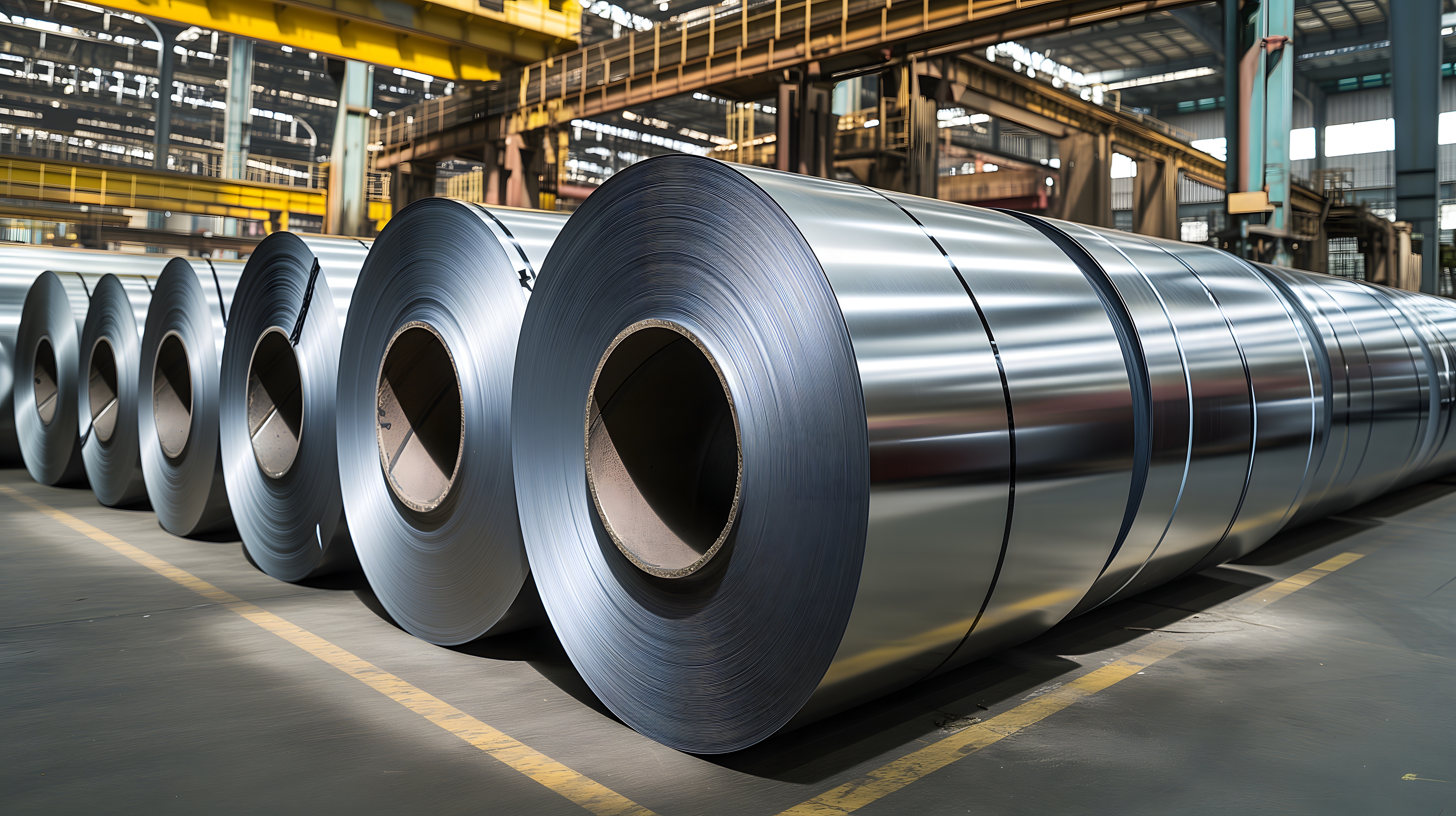
The European Commission’s new framework, effective July 1, establishes an annual import ceiling of 18.3 million tonnes. Half of this volume is reserved exclusively for preferential trading partners, including Turkey, South Korea, India, and the UK. While these countries face a modest one-third reduction in their quotas, nations lacking an EU trade pact—most notably China—must compete for the remaining, unrestricted half of the market.
EU trade commissioner Maroš Šefčovič described the move as a necessary measure to ensure market stability. The strategy aims to boost domestic production capacity to 80 percent, safeguarding an industry valued at €152 billion and supporting 293,000 jobs. To enforce these limits, imports exceeding the quota will now face 50-percent duties, doubling the previous 25-percent penalty. Officials cite a global supply surplus exceeding 620 million tonnes, a figure projected to climb toward 721 million, as the primary driver for these protections. The shift occurs alongside ongoing trade tensions with the United States, where existing 50-percent tariffs have already contributed to a 34-percent decline in European steel exports.
Comments (0)
No comments yet. Be the first!