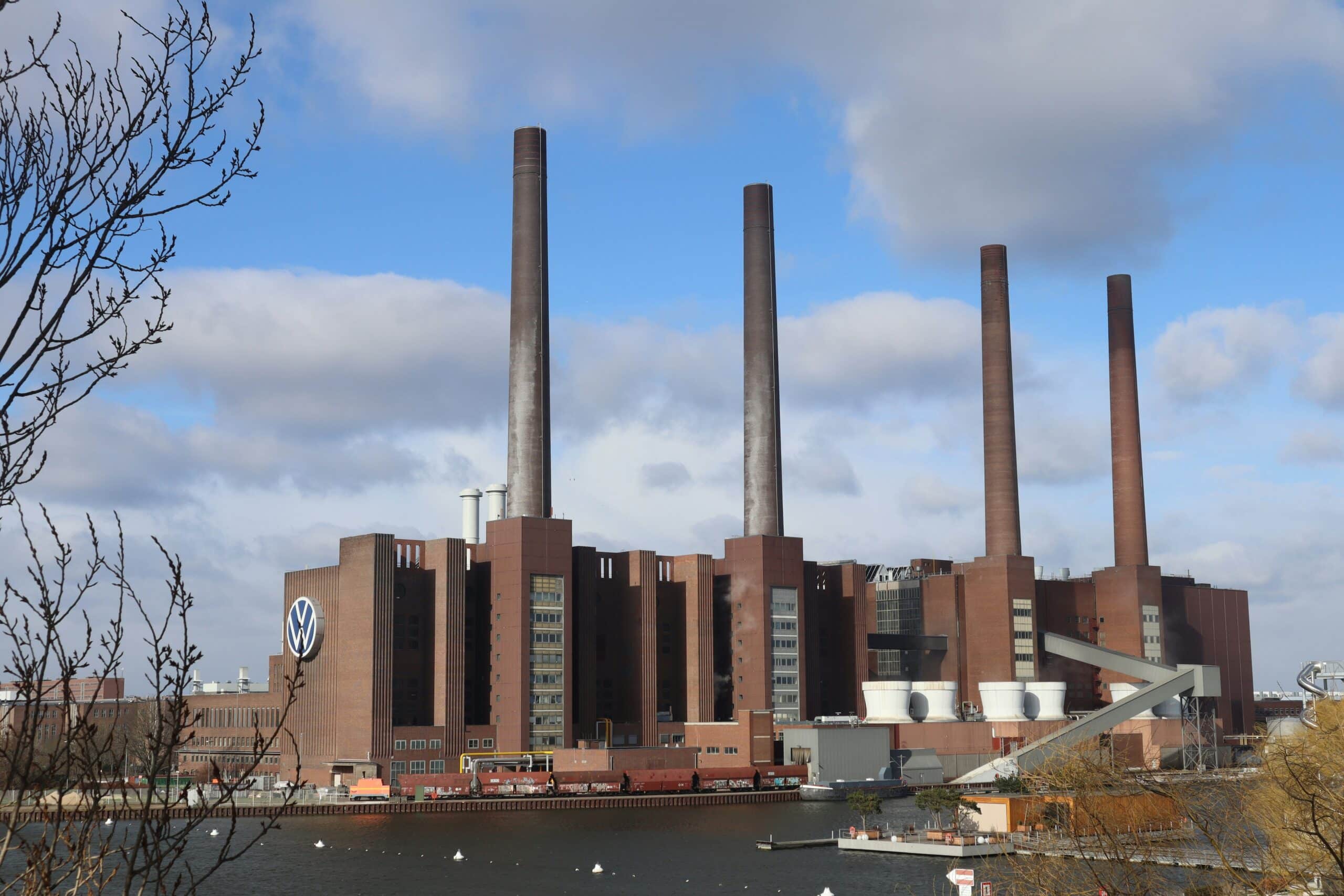
Volkswagen’s potential closure of four factories, threatening 45,000 jobs, serves as a grim indicator of the broader industrial decline facing the bloc. Despite the European Union imposing tariffs of up to 35 percent on Chinese battery electric vehicles in late 2024, Chinese market penetration continues to climb. Sales of Chinese electric cars have risen by five percent, and Chinese manufacturers now capture nearly a quarter of the European hybrid vehicle market. The trade deficit continues to widen, yet recent talks between European Trade Commissioner Maroš Šefčovič and Chinese Commerce Minister Wang Wentao yielded no breakthroughs, remaining a dialogue of the deaf.
The European Commission is now drafting a new defense package, potentially expanding tariffs to chemicals and industrial machinery, alongside mandates for supply chain diversification. However, these measures face significant resistance from member states, including Spain and Germany. These governments are acutely aware that Beijing possesses the leverage to cripple European production by restricting exports of rare earths and semiconductors. Consequently, the EU finds itself in a precarious position: attempting to maintain diplomatic channels while bracing for the inevitable economic retaliation that accompanies any meaningful challenge to Chinese trade practices.
Comments (0)
No comments yet. Be the first!